
Selecting the ideal toilet partition material is a pivotal decision for ensuring the functionality, durability, and aesthetics of commercial restrooms. With a variety of materials available, each with its unique set of benefits and drawbacks, making the right choice can seem daunting. This article explores the most popular toilet partition materials, highlighting their characteristics and helping you determine the best option for your needs.
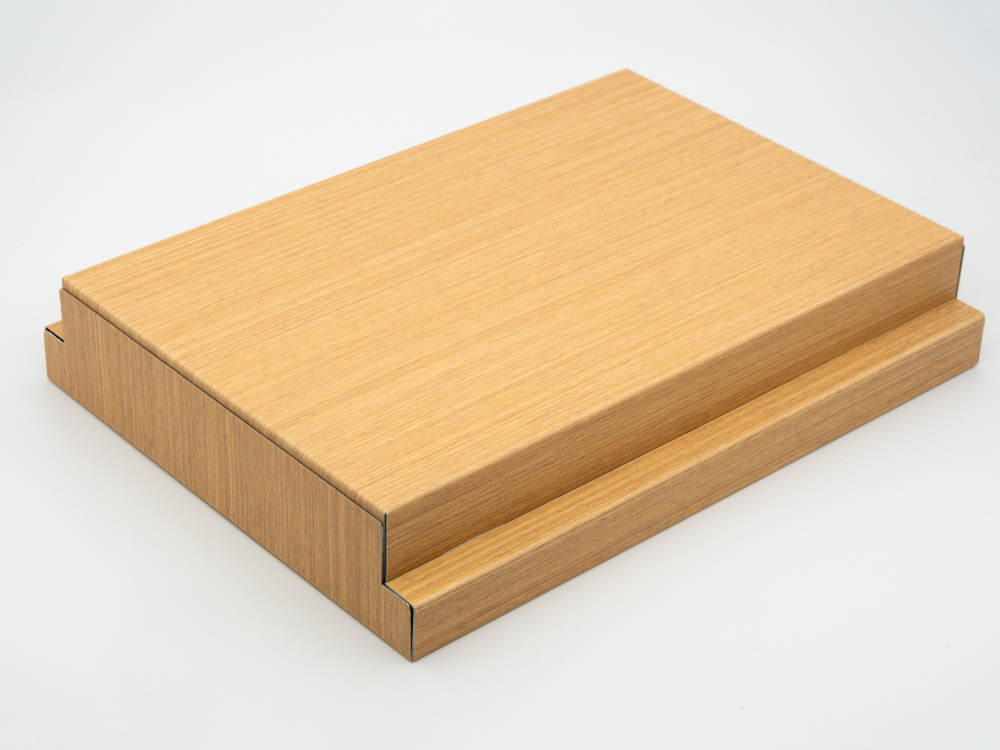
Powder-coated steel is one of the most widely used materials for toilet partitions. Its popularity stems from its balance between cost-effectiveness and durability.
Advantages:
Disadvantages:
High-Density Polyethylene (HDPE) partitions are renowned for their durability and resistance to a wide range of environmental factors.
Advantages:
Disadvantages:
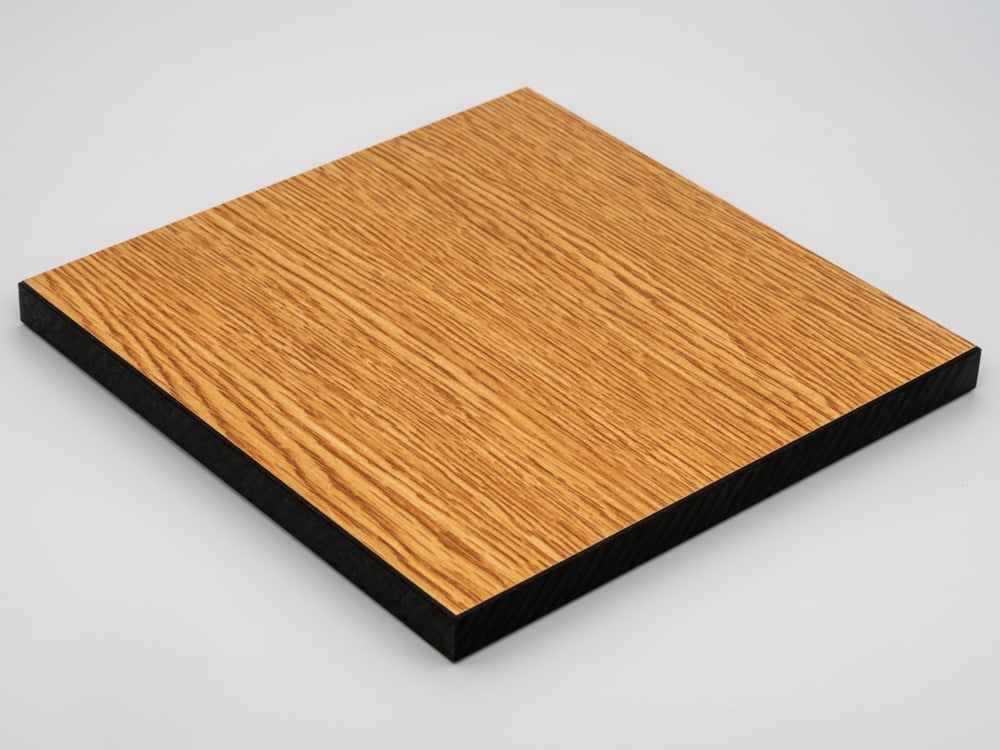
Phenolic core partitions are crafted from layers of kraft paper saturated with phenolic resin, offering a sturdy and resilient option.
Advantages:
Disadvantages:
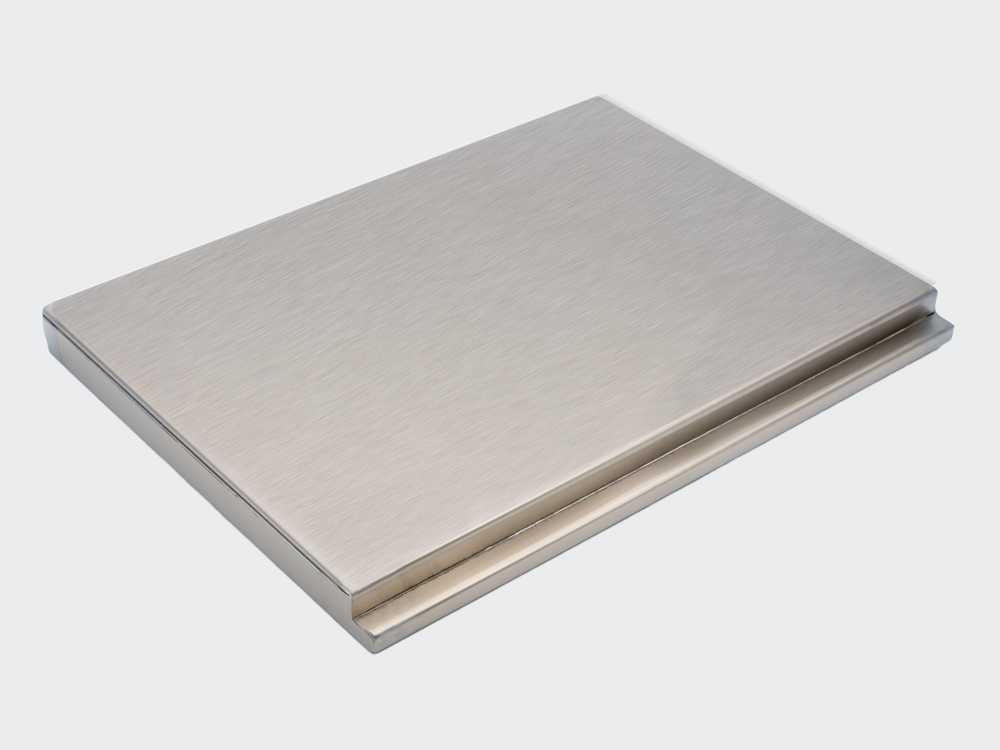
Stainless steel partitions are synonymous with sleek, modern aesthetics and are often chosen for high-end restrooms.
Advantages:
Disadvantages:
Plastic laminate partitions consist of a decorative laminate applied to a particleboard or plywood core, providing a versatile and economical option.
Advantages:
Disadvantages:
When deciding on the best toilet partition material, several key factors should be taken into account:
Selecting the best toilet partition material involves balancing durability, maintenance, cost, aesthetics, and environmental suitability. Powder-coated steel offers an affordable and versatile option, while solid plastic (HDPE) and phenolic core provide exceptional durability and moisture resistance. Stainless steel partitions bring a touch of elegance and robustness to high-end restrooms, and plastic laminate offers a cost-effective choice.
By carefully considering the unique advantages and disadvantages of each material, you can make an informed decision that will enhance the longevity and functionality of your restroom partitions, ensuring they meet the demands of their environment while maintaining their aesthetic appeal.

Since its establishment in 2001, Jialifu has been specializing in the design and manufacture of toilet cubicles, vanities, storage cabinets, IPS duct panels, and doors for commercial projects.
 EN
EN