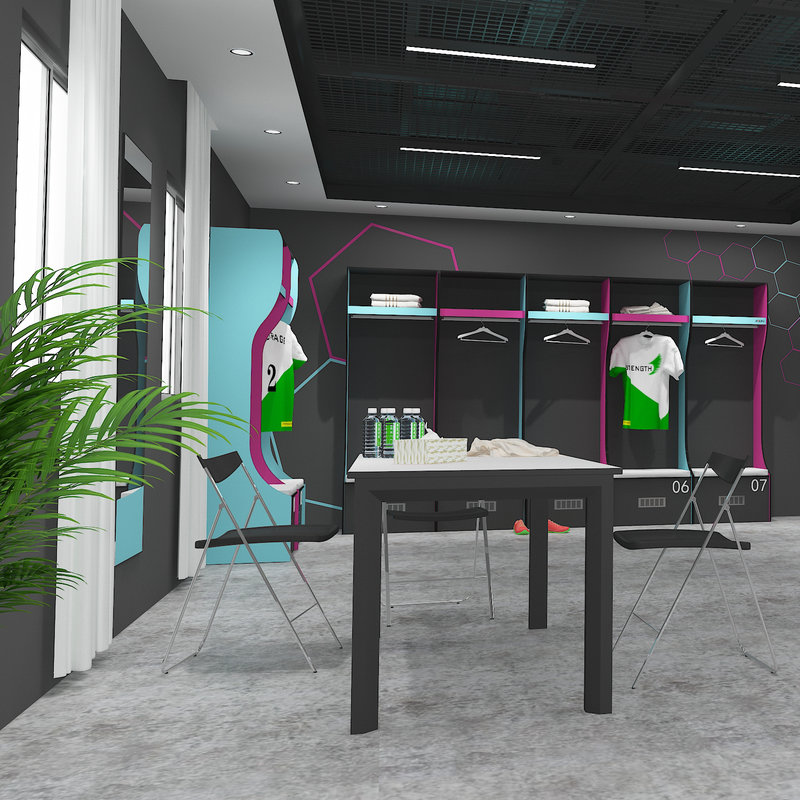
Orice sportiv sau persoană care frecventează sala știe ce înseamnă frustrarea de a scoate echipamentul din dulapuri sportive doar ca să-l găsească umed, mucegăit sau chiar acoperit de mucegai. Dulapurile sportive sunt elemente esențiale în săli de sport, instalații sportive și centre de fitness, care păstrează zi de zi haine transpirate, prosoape, pantofi și echipamente. Fără o circulație adecvată a aerului, umezeala rămâne închisă în interior, transformând dulapurile sportive în terenuri fertile pentru bacterii și mirosuri neplăcute. De aceea, echiparea dulapurilor sportive cu orificii de ventilație reprezintă o schimbare majoră. Este o soluție simplă, dar eficientă, pentru a menține obiectele uscate, proaspete și igienice, îmbunătățind astfel experiența generală a utilizatorului. Să analizăm de ce orificiile de ventilație sunt importante pentru dulapurile sportive și cum fac diferența în utilizarea zilnică.
De ce orificiile de ventilație sunt esențiale pentru dulapurile sportive
Găurile de ventilare par a fi un detaliu mic, dar joacă un rol esențial în menținerea funcționalității lăzilor sportive. Când sportivii termină un antrenament, hainele și echipamentul lor sunt pline de transpirație — umiditate care umple rapid spațiul închis al unei lază sportive. Fără o cale de evacuare, această umiditate persistă, provocând o stare de umeditate dificil de eliminat. În timp, acest lucru poate duce la apariția mucegaiului și a ciupercii, care nu doar distrug hainele și echipamentele, ci creează și mirosuri neplăcute ce se răspândesc la alte lăzi sportive. Găurile de ventilare permit circulația aerului proaspăt, eliminând aerul umed și aducând aer uscat. Acest flux constant de aer usucă mai repede obiectele umede, prevenind formarea mucegaiului și menținând lăzile sportive cu un miros curat. Pentru spațiile sportive, acest lucru înseamnă membri mai mulțumiți, care nu trebuie să se confrunte cu echipamente mucegăite, și mai puțin efort de întreținere pentru curățarea sau înlocuirea lăzilor deteriorate. Este o soluție avantajoasă pentru ambele părți, care abordează atât confortul utilizatorilor, cât și durabilitatea pe termen lung.
Cum îmbunătățesc găurile de ventilație funcționalitatea lăzilor sportive
În afară de menținerea obiectelor uscate, găurile de ventilație sporesc semnificativ funcționalitatea generală a lăzilor sportive. Gândiți-vă cât de des sunt folosite lăzile sportive — de mai multe ori pe zi, cu echipamente ude depozitate și scoase în mod regulat. Fără circulația aerului, interiorul unei lacături sportive devine un mediu stagnat și umed, dăunător atât echipamentului, cât și lacăturii în sine. Umezeala poate pătrunde în materialele lacăturii sportive, provocând deformări sau deteriorări în timp, în special în cazul lacăturilor din lemn sau din metal de calitate scăzută. Găurile de ventilație previn acest lucru prin reducerea nivelului de umiditate din interiorul lacăturii sportive, protejând structura acesteia și prelungindu-i durata de viață. În plus, echipamentele uscate sunt mai plăcute de utilizat — nimeni nu vrea să îmbrace o cămașă udă sau pantofi umzi pentru următoarea antrenament. Găurile de ventilație asigură faptul că, chiar dacă echipamentul este stocat timp de ore, va fi vizibil mai uscat atunci când este scos. Această mică caracteristică face ca lăzile sportive să fie mai prietenoase pentru utilizatori, încurajând membrii să-și mențină lacăturile organizate și curate, ceea ce, la rândul său, menține întreaga sală de vestiare mai curată.
Sfaturi de design pentru o ventilare eficientă în dulapurile sportive
Nu toate găurile de ventilație sunt create la fel — amplasarea, dimensiunea și numărul lor influențează eficiența funcționării. Pentru a maximiza circulația aerului, lockerurile sportive ar trebui să aibă găuri de ventilație în locații strategice. Cele mai eficiente designuri includ găuri lângă partea superioară și cea inferioară a ușii sau a panoului din spate al lockerului. Acest lucru creează o curentă naturală de convecție: aerul cald și umed urcă și iese prin găurile superioare, în timp ce aerul rece și uscat intră prin cele de jos. Dimensiunea găurilor este importantă de asemenea — trebuie să fie suficient de mari pentru a permite circulația aerului, dar suficient de mici pentru a preveni căderea obiectelor mici sau accesul neautorizat. Găurile rotunde sau cele fante sunt opțiuni populare, deoarece sunt ușor de fabricat și nu compromit rezistența lockerului sportiv. Este, de asemenea, important să se evite blocarea găurilor de ventilație cu rafturi sau despărțitori în interiorul lockerului sportiv. Păstrarea acestor zone libere asigură o circulație neîngrădită a aerului în întregul spațiu. Pentru lockerurile sportive utilizate în medii suplimentar umede, cum ar fi lângă piscină sau în instalații costale, adăugarea unui număr mai mare de găuri de ventilație sau a unor găuri mai mari poate oferi un flux suplimentar de aer pentru combaterea excesului de umiditate.
Combinarea ventilației cu materiale de calitate pentru dulapuri sportive
Deși gurile de ventilație sunt esențiale, ele funcționează cel mai bine atunci când sunt asociate cu materiale de înaltă calitate, rezistente la umiditate, pentru dulapurile sportive. Materiale precum rășina fenolică, laminatul compact și HDPE sunt deja cunoscute pentru rezistența lor la apă, fiind astfel ideale pentru fabricarea dulapurilor sportive. În combinație cu guri de ventilație, aceste materiale creează o protecție maximă împotriva umidității. Dulapurile sportive din rășină fenolică, de exemplu, sunt neporoase și nu absorb apa, iar datorită unei ventilări corespunzătoare, rămân uscate și fără mucegai, chiar și în cazul utilizării zilnice. Dulapurile sportive din laminat compact sunt durabile și rezistente la umiditate, iar circulația aerului prin gurile de ventilație previne deteriorarea cauzată de umiditatea închisă. Dulapurile sportive din HDPE sunt complet impermeabile, iar ventilația îmbunătățește capacitatea lor de a menține echipamentul uscat prin circulația aerului. Alegerea materialului potrivit asigură faptul că gurile de ventilație nu trebuie să facă tot efortul singure — împreună, ele creează dulapuri sportive care sunt în același timp durabile și funcionale, capabile să facă față cerințelor instalațiilor sportive aglomerate.
Impactul dulapurilor sportive bine ventilate asupra experienței utilizatorului
Șiclerele sportive bine ventilate nu doar păstrează echipamentul uscat — au un impact major asupra experienței generale a utilizatorului. Pentru membrii sălii de sport și pentru sportivi, a avea un loc sigur unde pot depozita echipamentul fără a se îngrijora de umiditate sau mirosuri neplăcute face ca rutina de antrenament să fie mai ușoară și mai plăcută. Acest lucru arată că instalația are grijă de confortul și igiena lor, ceea ce poate crește satisfacția membrilor și menținerea acestora. Pentru managerii de facilități sportive, șiclerele sportive bine ventilate înseamnă mai puțin întreținere. Este nevoie mai puțin de curățat în profunzime pentru eliminarea mucegaiului sau a mirosurilor, iar reclamațiile privind echipamentul umed sunt mai rare. În plus, șiclerele sportive cu o ventilație corespunzătoare au o durată de viață mai lungă, reducând necesitatea înlocuirilor frecvente și economisind bani pe termen lung. Indiferent dacă este vorba de o sală de sport comunitară mică sau de o instalație sportivă profesională mare, investiția în șiclere sportive cu orificii de ventilație este o îmbunătățire simplă care aduce rezultate semnificative. Este o caracteristică practică care abordează o problemă comună, transformând cabina de duș într-un spațiu mai plăcut pentru toată lumea.


 EN
EN