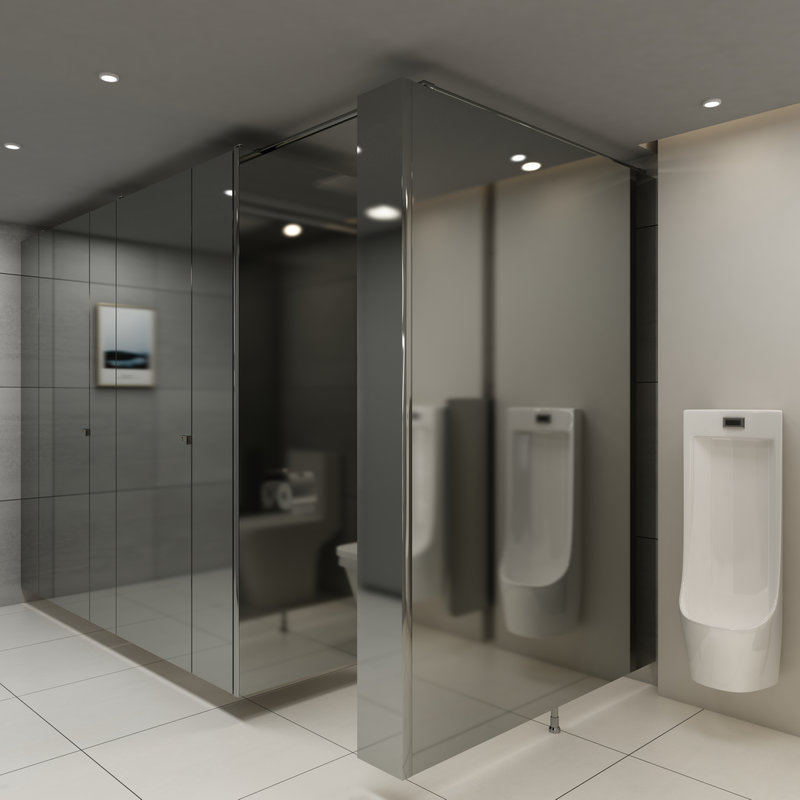
Public toilet stalls face constant exposure to moisture from flushing, hand washing, and humid air, which makes moisture resistance a top priority when choosing materials. A toilet stall that can’t stand up to damp conditions will quickly show signs of wear like warping, mold growth, or structural damage, leading to frequent replacements and extra costs. For facility managers and business owners, picking the right moisture-proof materials isn’t just about durability—it’s also about keeping the space hygienic and user-friendly. Not all materials handle moisture the same way, so knowing which ones excel in damp environments is key to building long-lasting public toilet stalls. Let’s explore the best moisture-proof materials that make public toilet stalls reliable and low-maintenance.
Phenolic Resin: The Ultimate Moisture Barrier
Phenolic resin is a standout choice for moisture-proof public toilet stalls, and it’s easy to see why. This material is made by compressing layers of resin-soaked paper under high heat and pressure, creating a dense, non-porous surface that repels water completely. Unlike porous materials that absorb moisture, phenolic resin doesn’t let water seep in, so it won’t warp, swell, or develop mold—even in the wettest public toilet stalls. It’s also resistant to stains and chemicals commonly used in cleaning, which means the toilet stall stays looking clean and intact for years. What’s more, phenolic resin is tough enough to handle heavy foot traffic and frequent use, making it perfect for busy public areas like malls, airports, and office buildings. Facility managers love it because it requires minimal maintenance—just a quick wipe with a damp cloth keeps the toilet stall in great shape. For public toilet stalls that need to withstand constant moisture, phenolic resin is a top-tier option that delivers on both performance and longevity.
Compact Laminate: Durable and Moisture-Resistant
Compact laminate, also known as HPL compact panels, is another excellent material for moisture-proof public toilet stalls. Constructed by pressing multiple layers of kraft paper with phenolic resin at extreme pressure and temperature, this material is dense, rigid, and highly resistant to water. The non-porous surface of compact laminate prevents moisture from penetrating, so mold and mildew have no chance to grow—keeping the public toilet stall hygienic and fresh. It’s also scratch-resistant and impact-proof, which is essential for public spaces where the toilet stall gets used hundreds of times a day. Compact laminate comes in a variety of colors and finishes, so you can match it to any design aesthetic without sacrificing moisture protection. Whether it’s a public restroom in a restaurant, school, or train station, compact laminate toilet stalls hold up well against moisture and daily wear. They’re easy to clean and maintain, making them a practical choice for anyone looking to build a reliable public toilet stall.
High-Pressure Laminate (HPL): Practical Moisture Protection
High-Pressure Laminate (HPL) is a popular and practical option for moisture-proof public toilet stalls. Made by bonding a decorative surface layer to multiple core layers of kraft paper with resin, HPL creates a hard, smooth surface that resists water and moisture. While it’s slightly less dense than compact laminate, HPL still offers strong moisture protection for most public toilet stall needs. It’s resistant to water splashes and humidity, so it’s ideal for public areas where the toilet stall isn’t constantly submerged but still faces regular dampness. HPL is also affordable compared to some premium materials, making it a budget-friendly choice for facility managers working with limited funds. The material is easy to install and comes in a wide range of designs, so you can customize the toilet stall to fit your space. Plus, HPL is easy to clean—routine wiping with standard cleaning products keeps the toilet stall free of moisture-related issues like mold or stains. For public toilet stalls that need reliable moisture protection without breaking the bank, HPL is a smart and practical option.
HDPE: 100% Waterproof for Wet Environments
HDPE (High-Density Polyethylene) is a plastic material that offers 100% waterproof protection, making it perfect for public toilet stalls in extremely damp environments. This material doesn’t absorb any water at all, so even if the toilet stall is exposed to standing water or constant humidity, it won’t warp, rot, or develop mold. HDPE is also resistant to chemicals, scratches, and impacts, which means the public toilet stall stays durable and looking new for years. It’s lightweight yet sturdy, making installation easier and more cost-effective. What’s great about HDPE is its low maintenance—stains and dirt wipe off effortlessly, and it doesn’t require any special treatments to maintain its moisture resistance. This material is especially ideal for public toilet stalls in swimming pools, water parks, or coastal areas where humidity levels are high. Even in regular public restrooms, HDPE toilet stalls stand out for their ability to handle moisture without any issues. For anyone who wants a foolproof moisture-proof public toilet stall, HDPE is an unbeatable choice.
Choosing the Right Moisture-Proof Material for Your Public Toilet Stall
When selecting a moisture-proof material for your public toilet stall, it’s important to consider the specific environment and usage. If the toilet stall will be in a very wet area like a poolside or waterfront facility, HDPE or phenolic resin are the best bets for maximum moisture protection. For most public spaces like malls, offices, or schools, compact laminate or HPL offer a great balance of moisture resistance, durability, and affordability. It’s also worth thinking about maintenance needs—materials like phenolic resin and HDPE require less upkeep, which saves time and money in the long run. No matter which material you choose, investing in a moisture-proof public toilet stall is essential for keeping the space clean, hygienic, and functional. A well-built toilet stall that resists moisture will last longer, reduce replacement costs, and provide a better experience for users. After all, a reliable and dry public toilet stall is a basic necessity that every facility should prioritize.


 EN
EN